
No products in the cart.
7%
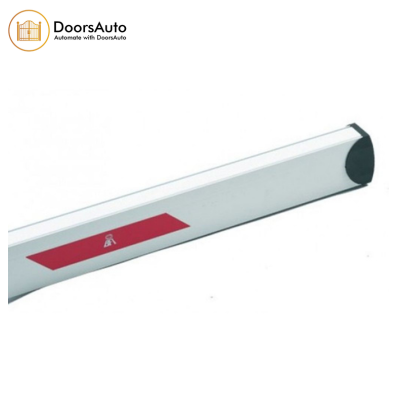
BFT AQ3 Barrier Gate Arm
Original price was: OMR 78.000.OMR 73.000Current price is: OMR 73.000.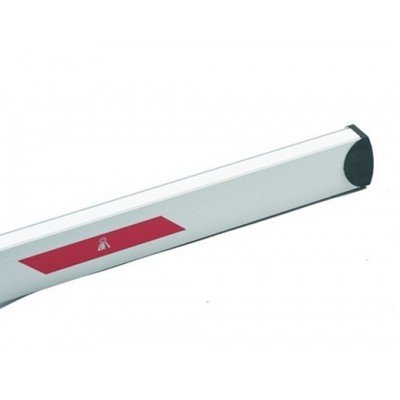
BFT AQ5 N728034 Parking Gate Barrier in Oman
OMR 106.009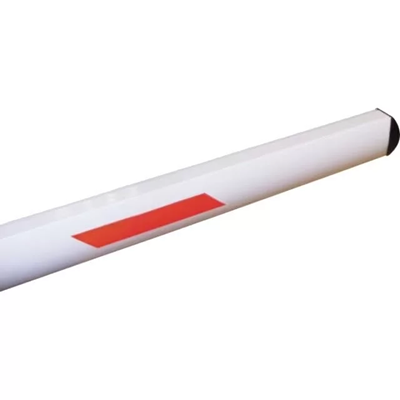
BFT AT6 N728038 Parking Gate Barrier in Oman
OMR 117.670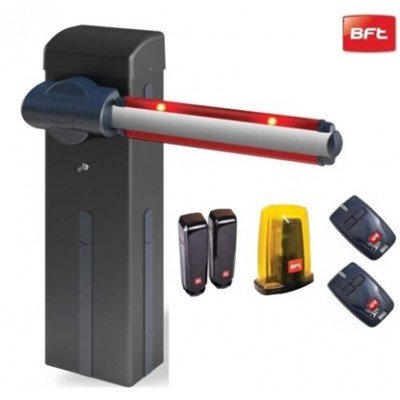
6%
BFT Giotto Barrier bt A 60u | Automatic Access Control for Oman
Original price was: OMR 500.000.OMR 470.000Current price is: OMR 470.000.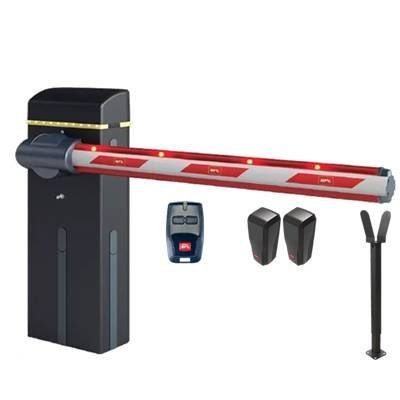
7%
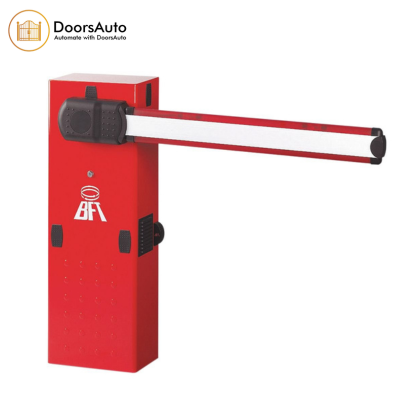
bft moovi 30 Electromechanical Barrier Gate
Original price was: OMR 320.000.OMR 300.000Current price is: OMR 300.000.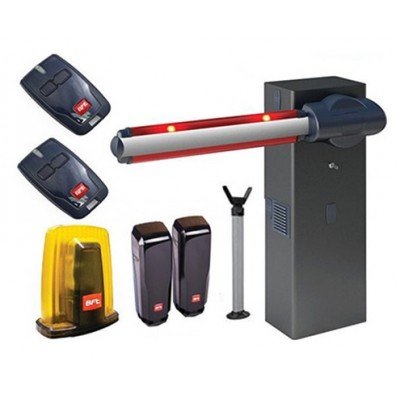
BFT MOOVI 50 Parking Gate Barrier in Oman
OMR 376.9205%
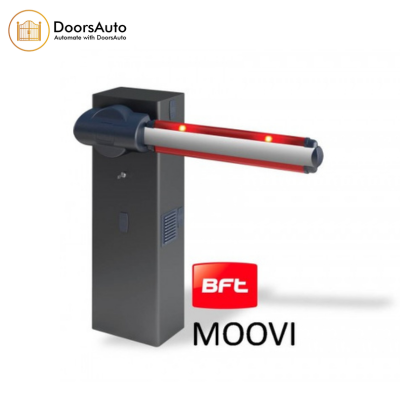
BFT Moovi 60
Original price was: OMR 345.000.OMR 330.000Current price is: OMR 330.000.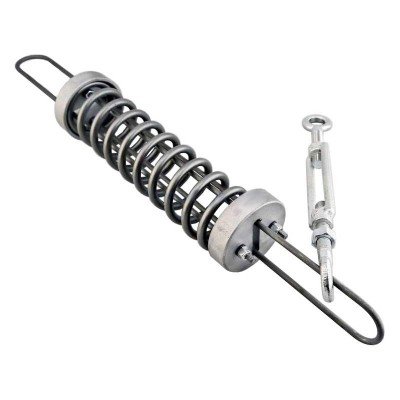
BFT Spring For Moovi 30 Barrier in Oman
OMR 94.230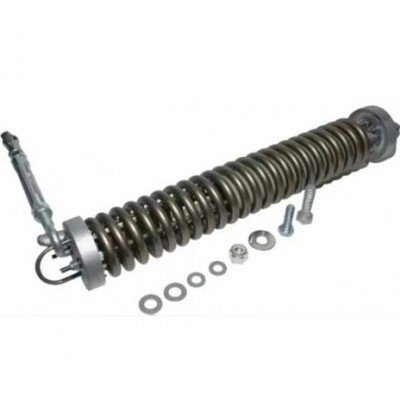
BFT Spring For Moovi 60 Barrier in Oman
OMR 106.009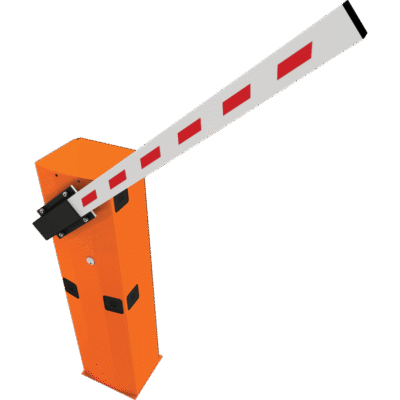
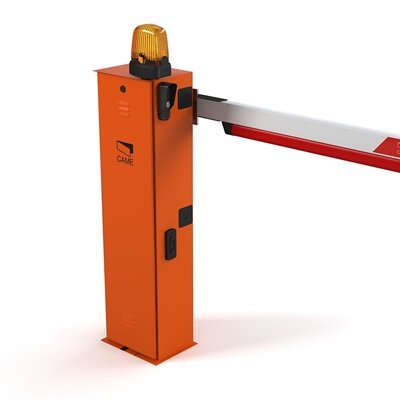
CAME G6000 Parking Gate Barrier in Oman
OMR 706.725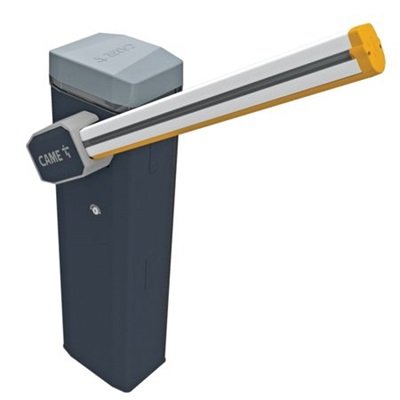
CAME GARD GT4 Parking Gate Barrier in Oman
OMR 777.398CAME GARD GT8 Parking Gate Barrier in Oman
OMR 995.304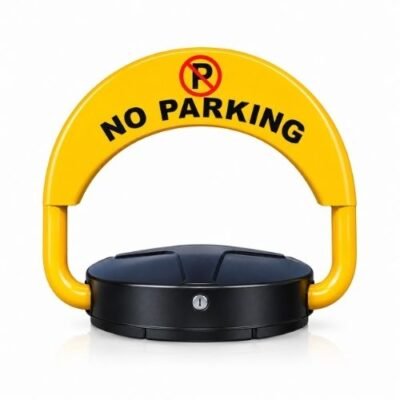
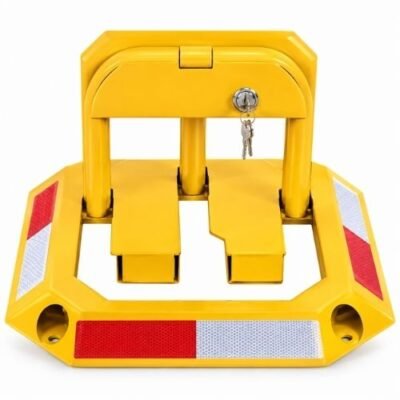
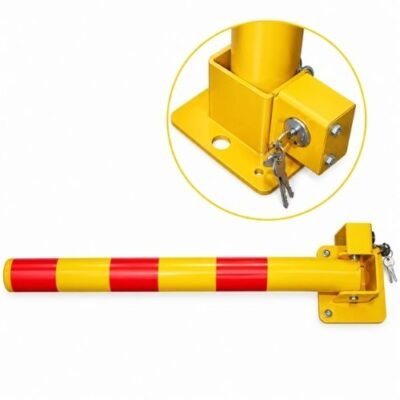
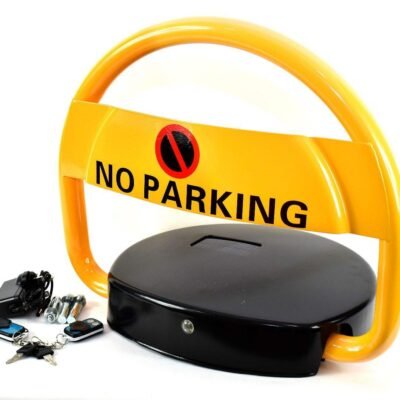

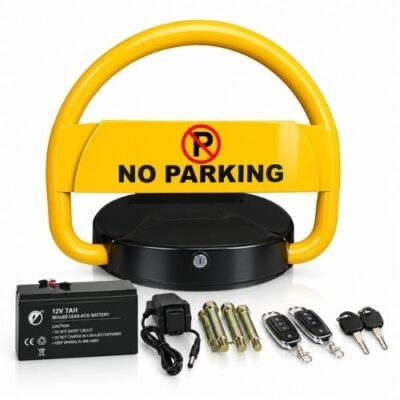
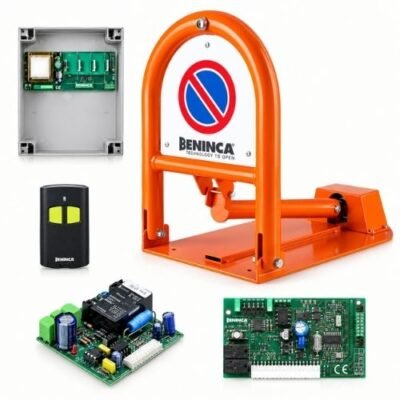
Parking Lock Barrier in Oman | Remote Control Car Parking Lock
Original price was: OMR 60.000.OMR 40.000Current price is: OMR 40.000.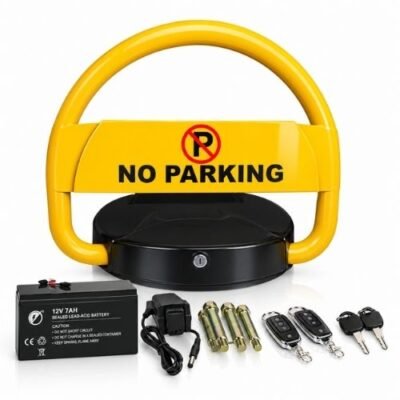
25%
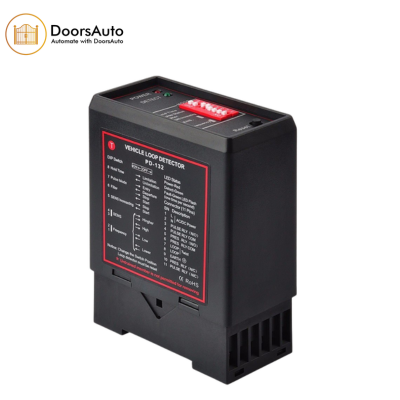
PD 130 Vehicle loop detector
Original price was: OMR 20.000.OMR 15.000Current price is: OMR 15.000.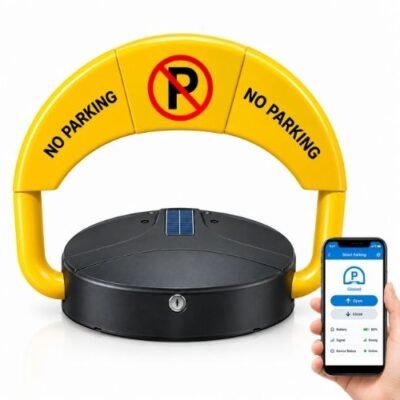
18%
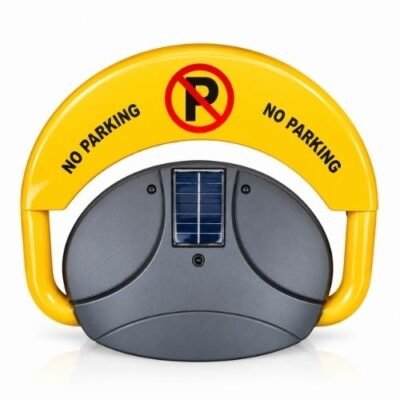
Solar Parking Lock Oman, Remote Control, Buzzer Alarm
Original price was: OMR 34.000.OMR 28.000Current price is: OMR 28.000.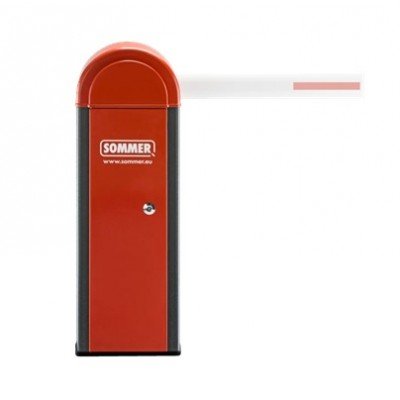
SOMMER GATE BARRIER in Oman
OMR 824.395Boom barriers and parking barriers for vehicle access control
We stock electromechanical boom barriers with arms from 3 m to 6 m, supplied from our shop in Al Khuwair, Muscat and installed anywhere in Oman by our own engineers. A barrier controls vehicles, not people — it manages entry and exit at a car park, compound or yard without enclosing the site. Where you need to secure the perimeter as well, a sliding or swing gate is the right choice instead.
Choosing a gate barrier by opening width
Measure the width of the lane the arm has to cover, then decide how often it will cycle. A compound entrance opening thirty times a day and a commercial car park opening six hundred times need different duty ratings even at the same width.
| Application | Model | Price from |
|---|---|---|
| Up to 3 m lane, residential or compound | BFT Moovi 30 | OMR 300 |
| Up to 4 m lane, high frequency | CAME G4000 | Contact us |
| Up to 6 m lane, commercial | BFT Giotto BT A60U | OMR 330 |
| Single reserved bay | Mini Parking Lock Barrier | OMR 50 |
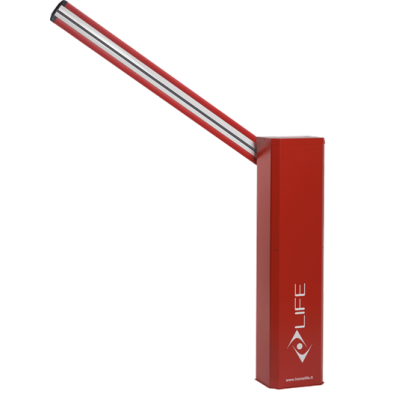
Arms are sold separately from the barrier housing on most models. The BFT AQ3 aluminium arm at 3 m, with a reflective white finish for night visibility, is OMR 73.
Boom barrier or parking lock?
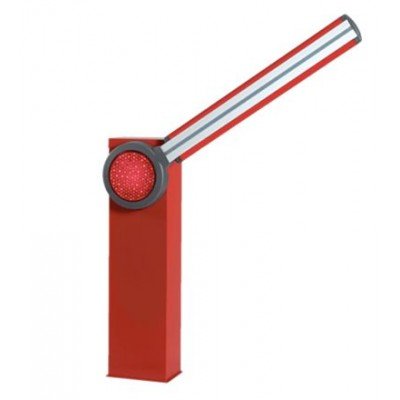
Choose a boom barrier when you are controlling a lane that many vehicles pass through. It mounts on a foundation beside the road, takes mains power, and works with loop detectors, remotes, card readers or keypads.
Choose a parking lock barrier when you are protecting one reserved bay. It bolts to the ground within the space itself, runs on a rechargeable battery with no wiring, and is operated by remote. Ours is IP67 rated with a 2,000 kg load capacity, so it survives being driven over.
People often ask for a boom barrier when a parking lock is what they actually need. If you are protecting a single space, the OMR 50 option does the job for a fraction of the cost.
Detection and access control
A barrier needs to know when a vehicle is underneath it. A loop detector buried in the road surface senses the metal mass and holds the arm up until the vehicle clears — without one, the arm will eventually come down on a car roof. We stock the PD 130 vehicle loop detector at OMR 15.
For entry control, barriers pair with remotes, keypads, card readers or RFID tags from our access control range. Multi-tenant compounds usually want individual credentials rather than shared remotes, so entry can be revoked when someone moves out.
Brands we stock
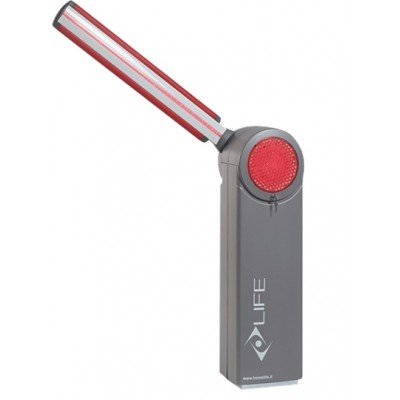
We carry gate barriers from BFT, CAME, LIFE and SOMMER, all genuine stock with manufacturer warranty. BFT’s Moovi and Giotto ranges cover most compound and commercial installations; CAME suits high-frequency sites where cycle count matters more than arm length.
Installation across Oman
A boom barrier takes a day, sometimes two. The foundation has to cure before the housing is bolted down, and cutting the loop detector into the road surface adds time. We survey the lane, set the foundation, run power, install and balance the arm, cut and connect the loop, then commission the access control.
Dust is the main enemy here. Barriers sit at road level in traffic, so we specify sealed housings and service them more often than gate motors. Delivery and installation cover Muscat, Sohar, Nizwa, Salalah, Sur and Duqm.
Common questions
How do automatic barrier gates actually work?
Sensors, a motor and a control board work together to raise and lower the arm. We explain the mechanism, the common applications and the drawbacks in our guide to how automatic barrier gates work.
How much does a boom barrier cost in Oman?
Barriers start at OMR 300 for a 3 m unit. Arms, loop detectors and access control are quoted separately, as is the foundation work.
Will the arm come down on my car?
Not with a loop detector fitted. It holds the arm up until the vehicle has fully passed. We fit one on every installation.
What happens during a power cut?
Every barrier we supply has a manual release so the arm can be lifted by hand. Battery backup is available on most models.
Do I need a barrier or a gate?
A barrier controls vehicle flow; a gate secures the perimeter. If your concern is who parks where, a barrier is enough. If it is who gets onto the property at all, you want a gate.